Rubber-Lined Steel Systems
Abrasion-resistant rubber-lined steel pipe for slurry, tailings and high-wear mining pipeline applications.
Maximum Wear Resistance
Rubber-lined steel systems are the premier solution for pipeline applications where extreme abrasion is the primary wear mechanism. Natural and synthetic rubber linings bonded to steel pipe provide exceptional resistance to the erosive action of mineral slurries, concentrates and tailings.
WPTS supplies and installs rubber-lined steel pipeline systems for the most demanding mining applications — gold, platinum, chrome, coal and heavy mineral sand operations where pipeline wear is the critical operational challenge.
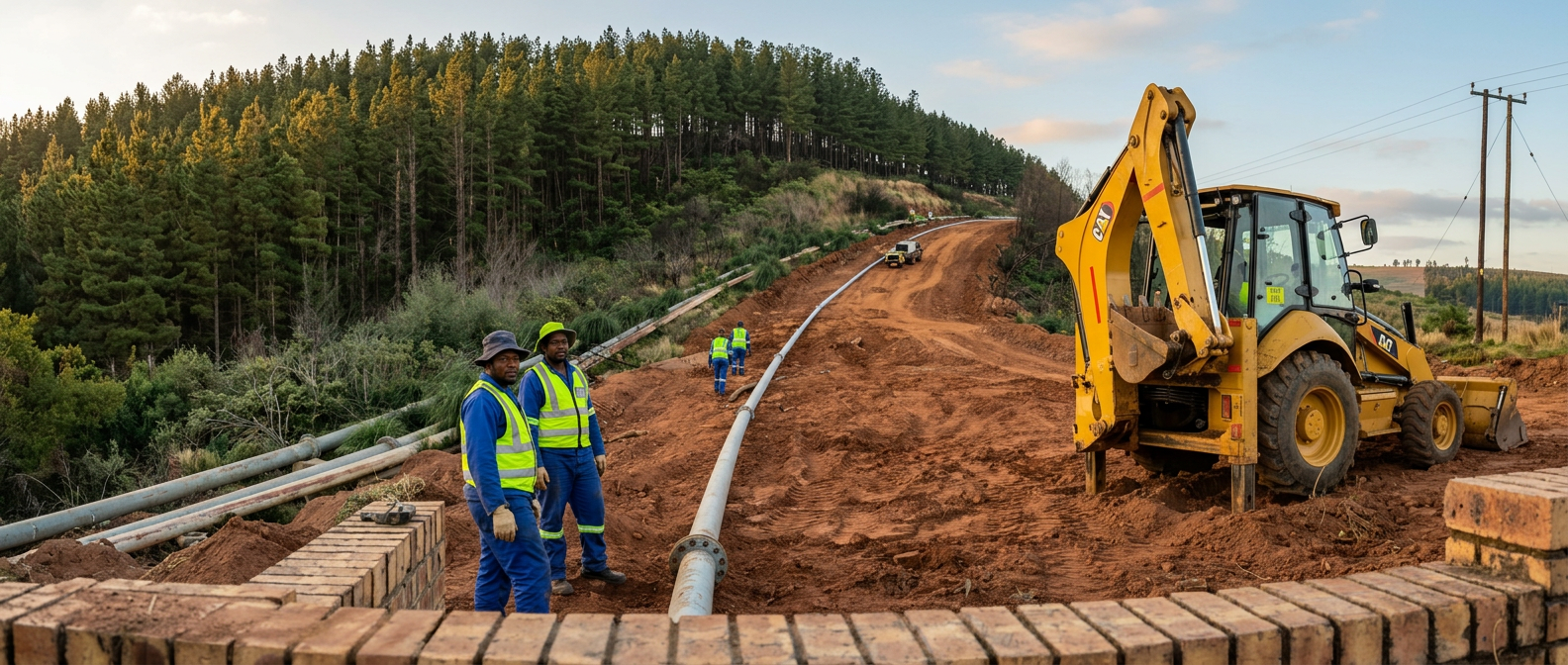
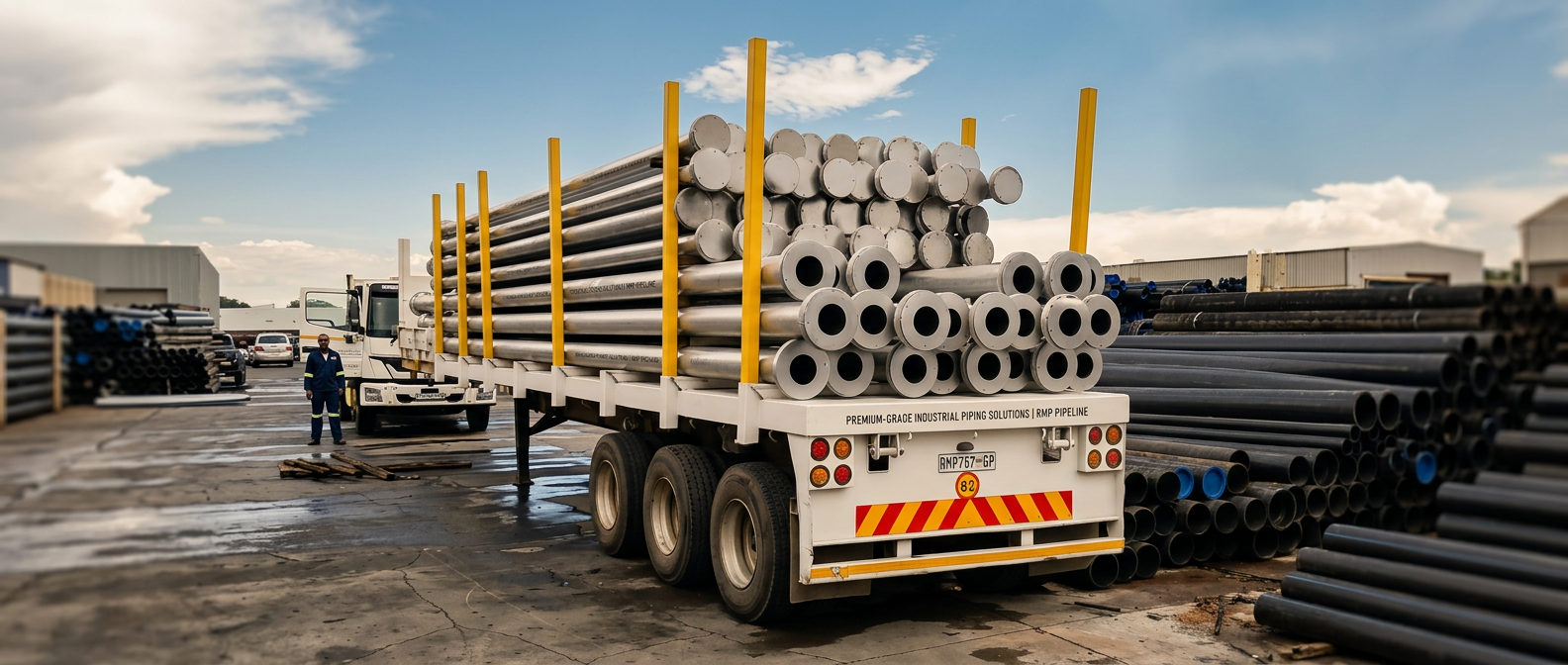
Rubber-lined steel imagery
Rubber Lining Options
Natural Rubber
Excellent abrasion resistance for coarse slurry applications. The standard choice for most mining slurry pipelines where mechanical wear is dominant.
- Superior abrasion resistance
- Good elasticity and resilience
- Cost-effective for most slurries
Synthetic Rubber
Enhanced chemical resistance for applications where both abrasion and chemical attack are factors. Various compounds available for specific media.
- Chemical + abrasion resistance
- Temperature tolerant
- Oil and solvent resistant options
Ceramic-Backed Rubber
Ceramic tiles backed with rubber for the most extreme wear applications. Maximum service life in ultra-abrasive conditions.
- Extreme wear resistance
- Extended service intervals
- Impact absorption
Mining Applications
Rubber-lined steel is the preferred choice wherever abrasive mineral slurries need to be transported reliably and economically.
Need Abrasion-Resistant Pipelines?
Contact WPTS for rubber-lined steel pipeline solutions for your mining operation.